
STUDIOS UNIS D’AUTO-DÉFENSE
L’excellence des arts martiaux au Québec depuis 1974. Nous enseignons le style «Nick Cerio’s Kenpo Karate» alliant la force et l’agilité et qui est pratiqué dans un environnement respectueux et non agressif. La fédération des Studios Unis est un des plus importants regroupements d’écoles d’arts martiaux reconnues au Québec. Les Studios Unis sont établis dans la très grande grande région de Québec et de Lévis ainsi qu’à Portneuf, Chicoutimi, Dolbeau-Mistassini, Laval-Ouest, St-Jérôme et en Beauce. La fédération dénombre vingt-deux succursales qui offrent diverses disciplines telles que le karaté, la boxe, cardio boxe et la mise en forme. Des camps d’été et de la relâche scolaire sont aussi offerts pour les enfants.
Notre mission est d’offrir des cours d’arts martiaux atteignant les plus hauts standards de qualité. Dans nos écoles, nous visons à créer un contexte stimulant pour toute la famille permettant à chacun de développer ses habiletés athlétiques à son propre rythme.
Nous formons des athlètes de haut niveau, mais surtout de BONNES PERSONNES !

![[Souvenir\Throwback]
.
Retour sur le tournoi du Québec Open de 2023.
.
Nous avons très hâte de voir les athlètes issus des écoles Studios Unis ainsi que de partout dans le monde performer et se dépasser pour cette édition 2024!
.
Bonne préparation à tous.tes!
#studiosunis #quebecopen #quebecopen2024 #artsmartiaux #martialarts #competition #tournament #sports #force #strength #performance](https://studiosunis.com/wp-content/plugins/instagram-feed/img/placeholder.png)
“Gagner un combat sans se battre,
c’est le but essentiel d’un artisan d’art martial.”
La vie au dojo
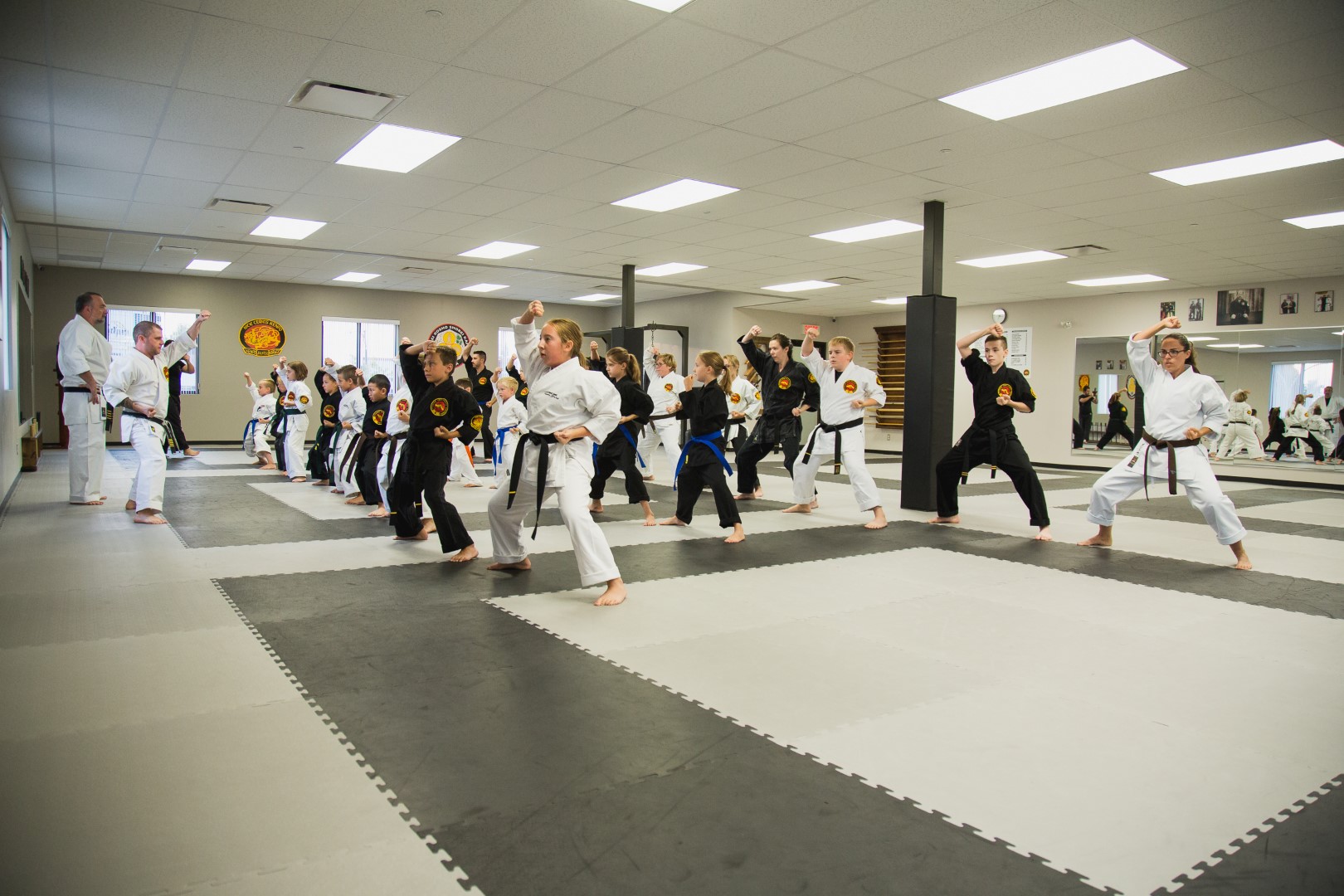
Les 10 grandes leçons du karaté
Les 10 grandes leçons du karaté! AVERTISSEMENT Le billet suivant est un texte d'opinion et d'expérience personnelle de Jean-François Letarte, franchisé du Studios Unis [...]
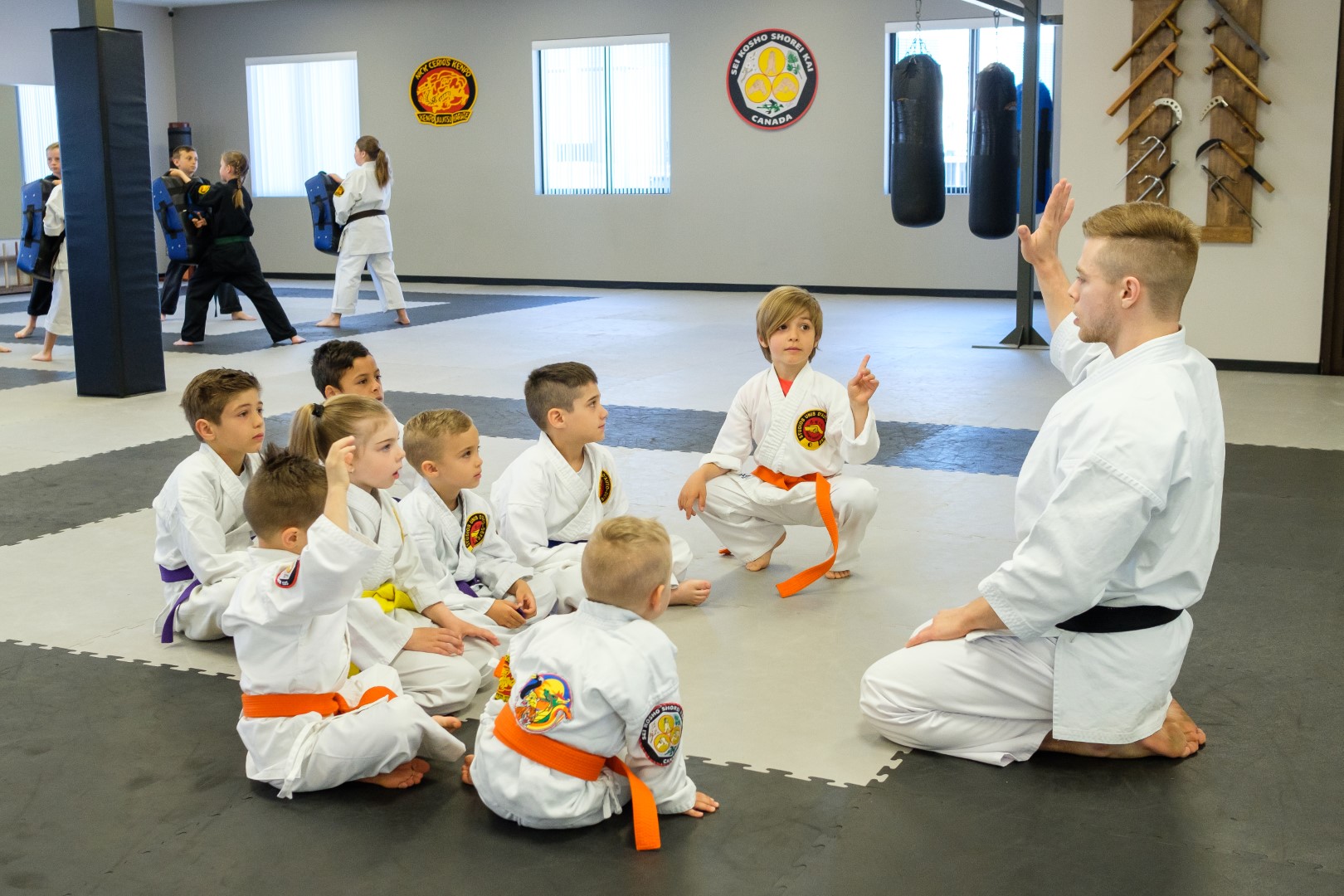
Les bienfaits des arts martiaux sur les résultats scolaires.
Les bienfaits des arts martiaux sur les résultats scolaires. Aide à la concentration et à la discipline La pratique des arts martiaux, en l’occurrence [...]
Les mémoires de Nick Cerio
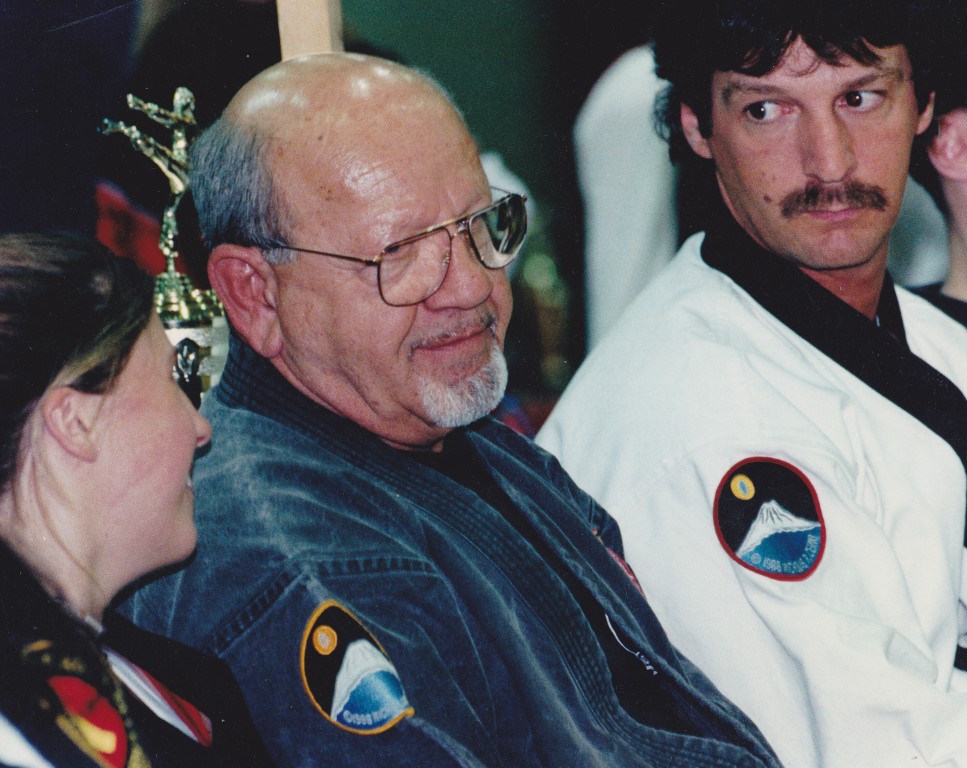
Nicholas Raymond Cerio alias Prof Nick Cerio (1936-1998) Il y a maintenant 20 ans qu'un des plus grands maîtres des arts martiaux nous quittait. [...]
Pourquoi choisir les Studios Unis d’Auto-Défense?
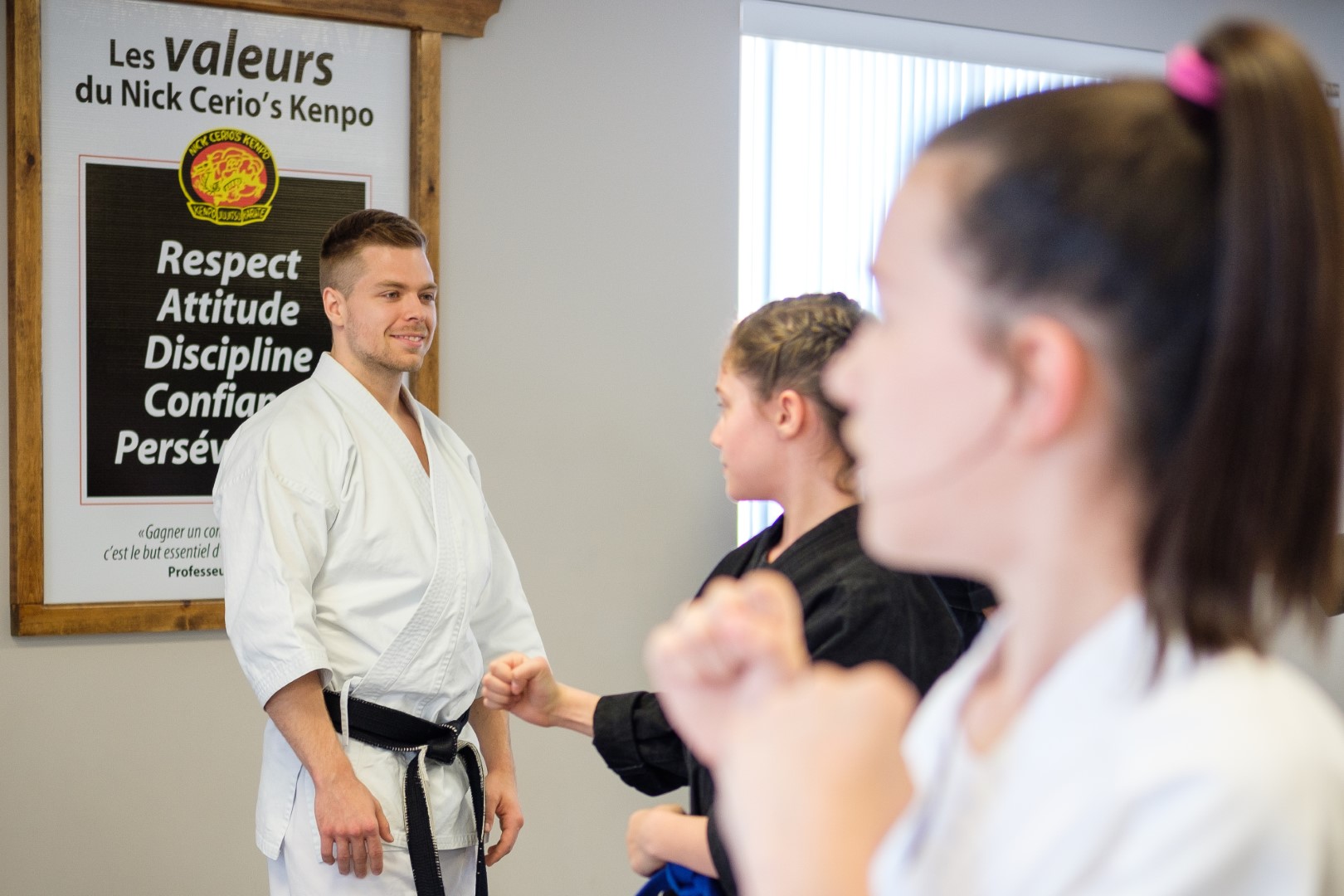
Il y a une tonne d’écoles de karaté partout au Québec. Depuis quelques années, elles poussent comme des petits pains chauds et c'est un [...]
Comment reconnaître un bon professeur de karaté en 5 points!
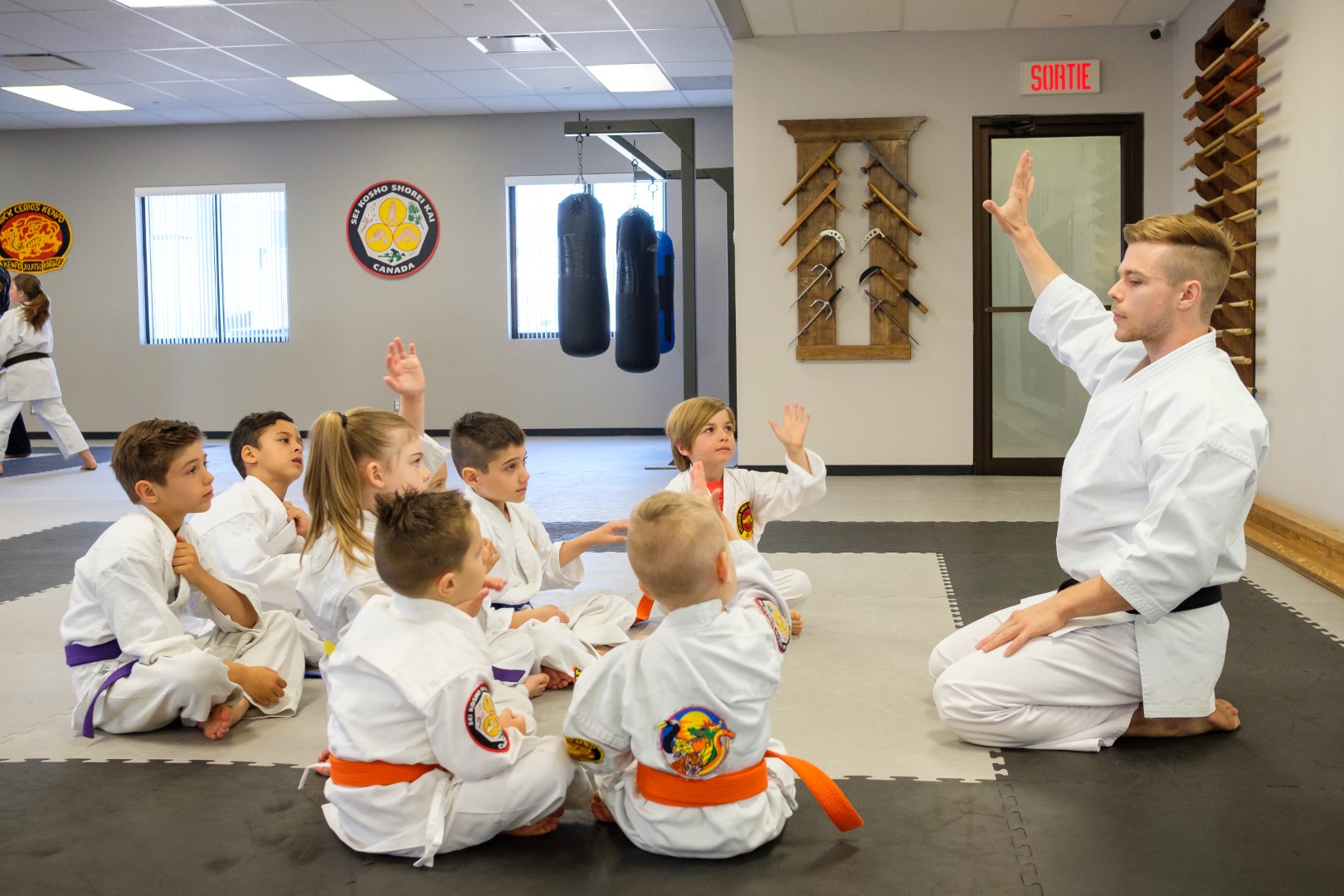
Comment reconnaître un bon professeur de karaté en 5 points! Lorsque vient le temps d’inscrire son enfant dans une école d'arts martiaux, une question [...]
3 bonnes raisons d’inscrire son enfant au karaté !
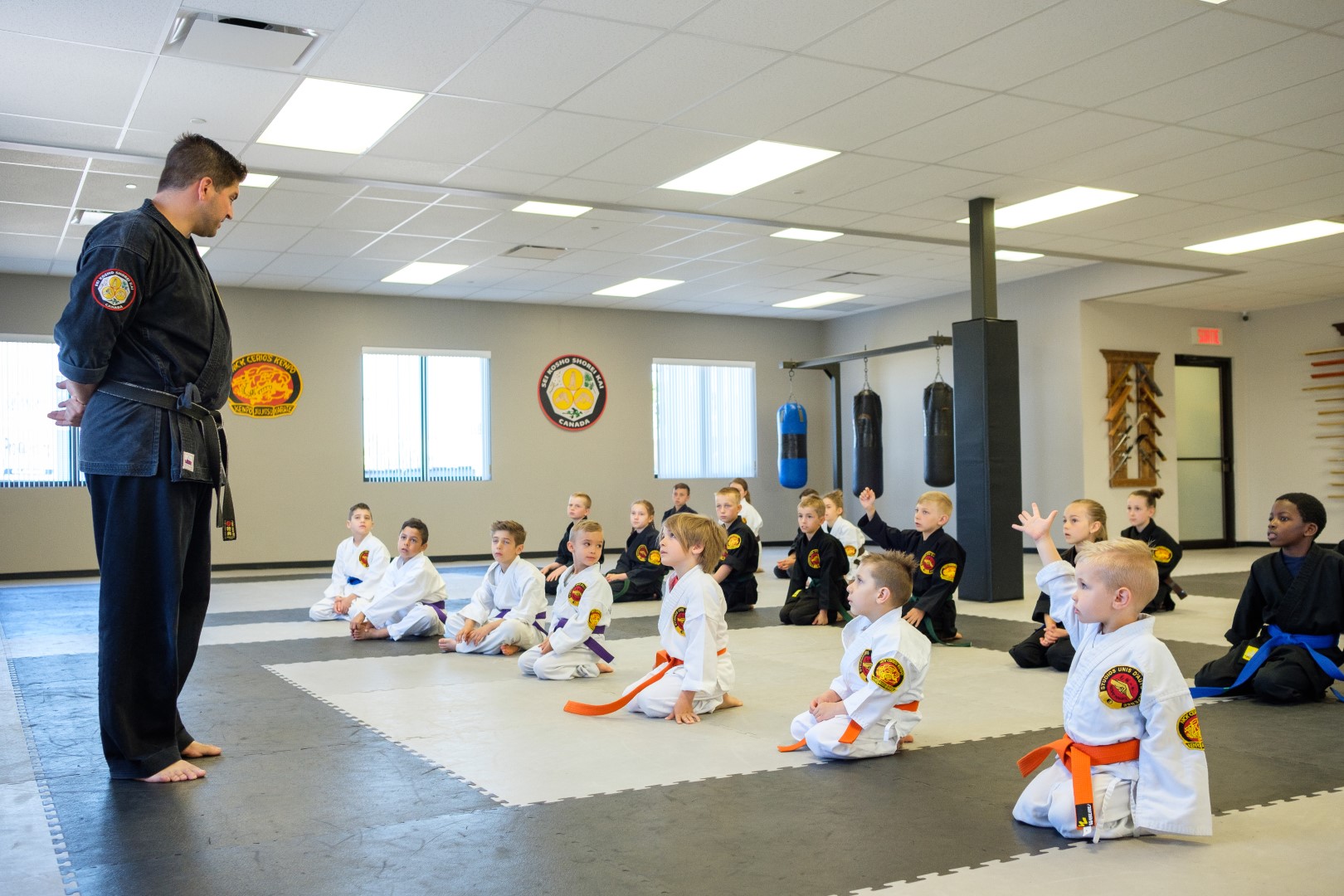
3 bonnes raisons d’inscrire son enfant au karaté! Le moment de choisir une activité sportive pour son enfant est souvent un casse-tête. Un sport [...]
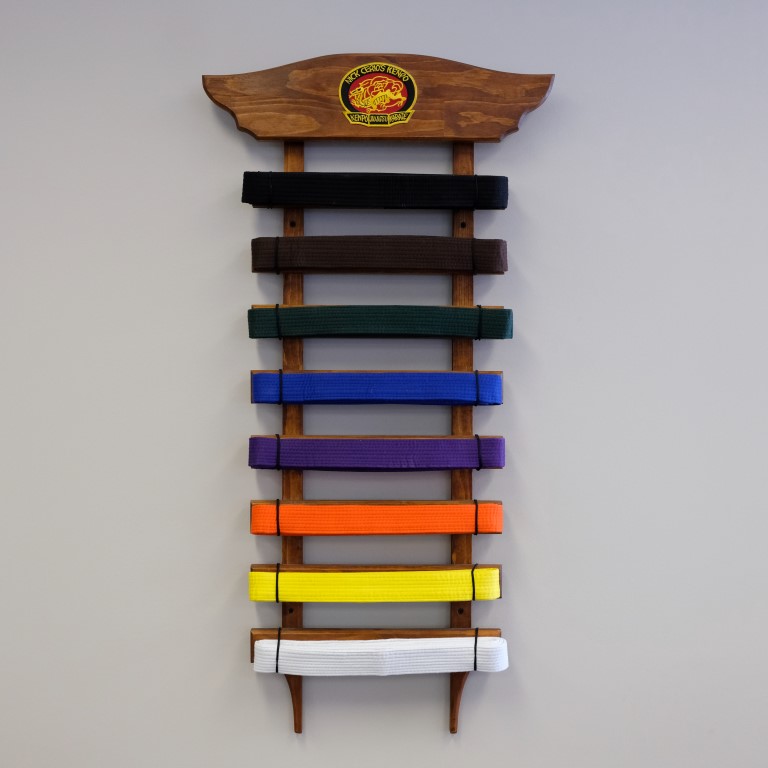
Ton prochain passage de grade !
Ton prochain passage de grade Il est toujours difficile en tant qu'instructeur de prendre la décision de ne pas mettre le nom d'un étudiant [...]

Entrevue avec Maître Poulin
Entrevue avec Maître Poulin « D’hier à aujourd'hui… Pour demain! » Clermont Poulin a eu la gentillesse de m’accorder un peu de son temps afin que [...]
Nos succursales
Siège social
info@studiosunis.com
(418) 523-6638
anciennelorette@studiosunis.com
(418) 871-7545
beauce@studiosunis.com
(418) 228-1441
beauport@studiosunis.com
(418) 667-7541
charlesbourg@studiosunis.com
(418) 622-0822 ou (418) 999-3808
chicoutimi@studiosunis.com
(418) 376-6357
beaupre@studiosunis.com
(418) 822-3207
dolbeau@studiosunis.com
(418) 618-0829
donnacona@studiosunis.com
(418) 284-0024
duberger@studiosunis.com
(418) 683-8499
ndl@studiosunis.com
(418) 841-0213
laval@studiosunis.com
(450) 314-5115
levis@studiosunis.com
(418) 837-5564
montmagny@studiosunis.com
(418) 248-2637 Cell.: (418) 241-9215
quebec@studiosunis.com
(418) 523-6638
stetienne@studiosunis.com
(418) 831-2445
stemile@studiosunis.com
(581) 305-4868
stjean@studiosunis.com
(418) 839-1713
stjerome@studiosunis.com
(579) 634-6333
stefoy@studiosunis.com
(418) 653-9891
stnicolas@studiosunis.com
(418) 831-3838
baiestpaul@studiosunis.com
(418) 435-0028
valbelair@studiosunis.com
(418) 840-4440